The Ultimate Guide to BBQ Sauce Nutrition Labeling
Barbecue sauce isn’t just a condiment—it’s a passion. From family recipes at farmer’s markets to pitmasters competing for glory, BBQ sauce is one of the most popular products ReciPal customers bring to market.
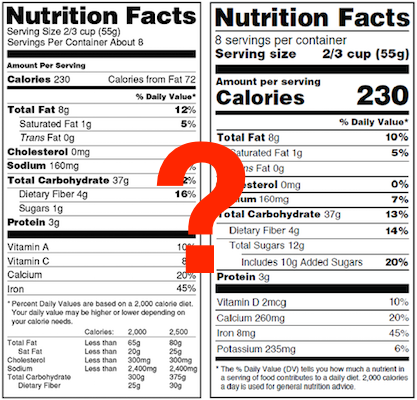
If you want to bottle your sauce and sell it at retail, an FDA-compliant BBQ sauce nutrition label is required. This guide covers everything you need to know: BBQ sauce nutrition facts, serving sizes, packaging, and label formats.

BBQ Sauce Nutrition Facts
While BBQ sauces differ by region and recipe, most fall into four categories: tomato-based, mustard-based, vinegar-based, or mayonnaise-based. Your nutrition values will depend on your specific recipe, but reviewing common ranges helps you benchmark your own sauce.
Here’s a look at popular retail brands and their nutrition facts per serving (2 Tbsp):
| Brand | Calories | Fat | Sodium | Carbs | Protein |
|---|---|---|---|---|---|
| Sweet Baby Ray’s Original | 70 | 0g | 290mg | 18g | 0g |
| Stubb’s Original | 30 | 0g | 250mg | 7g | 0g |
| Kraft Original | 60 | 0g | 350mg | 14g | 0g |
| KC Masterpiece Original | 50 | 0g | 230mg | 13g | 0g |
| Traeger ‘Que Classic | 70 | 0g | 330mg | 17g | 1g |
| Lillie’s Q Smoky | 50 | 0g | 250mg | 11g | 1g |
| Franklin Barbecue Vinegar | 20 | 0g | 340mg | 5g | 0g |
| Bone Suckin’ Sauce | 30 | 0g | 120mg | 7g | 0g |
| Organicville Original | 40 | 0g | 230mg | 10g | 0g |
| Kinder’s Original Mild | 60 | 0g | 280mg | 14g | 0g |
👉Takeaway: Most BBQ sauces range between 20–70 calories per serving. Carbs (mostly sugar) and sodium are the biggest nutrition factors to monitor.

BBQ Sauce Retail Review
Outside of a BBQ sauce nutrition, we’ve also compiled data on how different products are packaged. The chart below looks at package size, serving weight, bottle type, label type, and servings per container.
| Brand | Package Size | Serving Size | Bottle Type | Label Type | Servings per Container |
|---|---|---|---|---|---|
| Sweet Baby Ray’s Original | 18 oz | 36g | Banjo | Tabular | About 14 |
| Stubb’s Original | 18 oz | 33g | Stout | Vertical (simplified) | About 15 |
| Kraft Original | 18 ozg | 36g | Banjo | Tabular | About 14 |
| KC Masterpiece | 18 oz | 35g | Banjo | Tabular | About 14 |
| Traeger ‘Que Classic | 16 oz | 35g | Squeeze Bottle | Vertical | About 13 |
| Lillie’s Q Smoky | 15.3 oz | 34g | Squeeze Bottle | Linear | About 13 |
| Franklin Barbecue (Vinegar) | 18 oz | 30g | Stout | Vertical | 17 |
| Bone Suckin’ Sauce | 18 oz | 34g | Mason | Vertical (simplified) | About 15 |
| Organicville Original | 14 oz | 34g | Ring Neck | Linear | About 12 |
| Kinder's Original Mild | 15.5 oz | 34g | Squeeze Bottle | Vertical | About 13 |
👉Takeaway: Most BBQ sauces come in 18oz bottles and the weight of a serving (2 Tbsp) is between 30 - 36g. A variety of bottle and label types can work.
BBQ Sauce Serving Sizes
What is the serving size for BBQ sauce?
The FDA reference amount for BBQ sauce is 2 tablespoons. On your nutrition facts panel, this should appear as:
- 2 Tbsp (__ g)
- 2 Tbsp (30 mL)
How much does 2 Tbsp of BBQ sauce weigh?
Weight varies by recipe. Popular brands show a range of 30–36g per serving. The only way to know your number is to weigh your own sauce. Since it can be hard to accurately weigh 2 Tbsp of BBQ sauce, it can be helpful to weigh a larger volume and convert it to 2 Tbsp.
For example:
If a cup of your BBQ sauce weighed 280g then that means 2 Tbsp would weigh 35g. Since 1 cup = 16 Tbsp, you can divide the weight of the cup by 16 to figure out the weight of a tablespoon and then just multiply that by 2.
How many servings per container?
Most 18 oz bottles fall into the 14–17 servings per container range.
Divide the net weight per package by the weight of 2 Tbsp.
For example:
Sweet Baby Ray’s: 510g/package ÷ 36g/serving = ~14 servings/package
Packaging BBQ Sauce for Retail
Common container sizes
- Most common: 18 oz
- The correct Net Quantity Statement for an 18 oz container would be: 18 OZ (1 LB 2 OZ) 510g
- Typical range: 16–24 oz
Bottle types

- Banjo – Classic BBQ look, traditional and familiar
- Stout – Rugged but upscale, conveys quality
- Squeeze bottle – Precise, professional, great for everyday use
- Ring neck – Sleek, high-end feel
- Mason – Rustic, homemade look, spoon-friendly
Nutrition label formats

- Vertical – Standard format, best for taller bottles
- Tabular (horizontal) – Used when vertical space is under 3 inches
- Linear (compact) – Allowed if label space is under 40 square inches
- Simplified – Available if many nutrients are zero; ReciPal checks automatically
How to Label BBQ Sauce the Easy Way
BBQ sauces are beloved because each one is unique, but getting your nutrition label right is essential if you want to sell beyond your kitchen. Between serving sizes, net weight, and FDA formatting rules, it can get confusing.
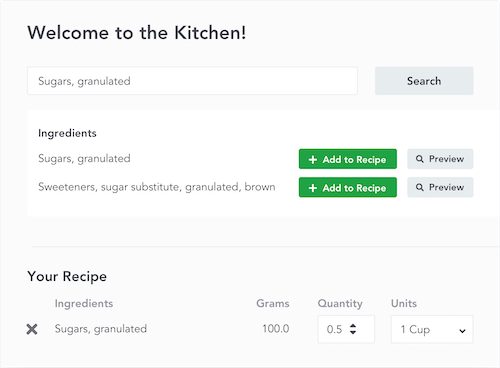
That’s where ReciPal comes in. With our software, you can:
- Enter your recipe and instantly generate an FDA-compliant nutrition label
- Choose from all U.S. and Canadian label formats
- Customize label style, size, and layout to fit your bottle

Final Thoughts
Bringing a BBQ sauce to market is about more than just great taste. Knowing BBQ sauce nutrition facts, serving sizes, packaging options, and label requirements helps you compete on retail shelves with confidence.
When you’re ready to make your label, ReciPal is the trusted tool for BBQ sauce brands nationwide.