California's New Food Date Labeling Law: What Food Manufacturers Need to Know
Beginning July 1, 2026, California standardized the date labels that appear on food packaging. If a product includes a consumer-facing quality or safety date, manufacturers must now use specific wording intended to reduce consumer confusion and food waste.

Although the law only applies to products sold in California, it signals a broader shift toward standardized food labeling. Similar legislation is advancing in New York, and other states may follow. For food manufacturers, adopting clear, standardized date labels today can help reduce future packaging changes while improving communication with consumers.
The goal: Distinguish between food quality and food safety so consumers throw away less perfectly good food.
What Changed?
California now recognizes two primary categories of date labels.
Best if Used By or Best if Frozen By
Use this label when you're communicating quality.
It tells consumers when your product is expected to have its best flavor, texture, appearance, or overall performance. The food may still be perfectly safe after this date if it has been stored properly.
Use By
Use this label when the date relates to food safety.
This is generally reserved for products where safety can become a concern as the product ages, particularly highly perishable refrigerated foods.
Note: Consumer-facing sell-by dates are no longer permitted on packaging in California. These dates were always intended primarily for retailers to manage inventory, not to tell consumers when food becomes unsafe. They can still be included in a coded configuration to avoid consumer confusion.
Why Was the Law Passed?
For decades, manufacturers have used dozens of different phrases to communicate product dates, including:
- Sell By
- Best Before
- Best By
- Enjoy By
- Fresh Until
- Expires On
Consumers often confused what these terms mean. This confusion contributes to unnecessary food waste because many consumers discard food immediately after the printed date, even when it remains perfectly safe.
By standardizing the language, California hopes consumers will better understand the difference between a product that's past its best quality versus one that presents a legitimate food safety concern.
What Do These Date Labels Actually Mean?
| Label | Purpose | Safety Concern? |
|---|---|---|
| Sell By | Retail inventory management | No |
| Best if Used By | Product quality | Usually no |
| Use By | Food safety | Yes, depending on the product |
What This Means for Food Manufacturers
If you sell products in California, you'll want to review your packaging to ensure your consumer-facing date labels use the required terminology.
Even if you don't currently sell in California, now is a good time to evaluate your labels. As more states consider similar legislation, using standardized language today could help avoid future redesigns.
It's also a good opportunity to review how shelf life is determined and documented across your product line.
A Practical Checklist
- Review your current packaging for terms like "Sell By," "Best Before," or other non-standard wording.
- Clearly distinguish quality dates from food safety dates.
- Keep retailer inventory tracking separate from consumer-facing labels whenever possible.
- Monitor developments in other states where similar legislation may be introduced.
The Bottom Line
California's new date labeling law is designed to make food labels easier for consumers to understand by clearly separating quality from food safety and standardizing the language used for each.
For manufacturers, the law is more than a packaging update. It's an opportunity to simplify labels, reduce consumer confusion, and prepare for a future where standardized date labeling becomes more common across the United States.
Taking the time now to update label terminology and establish a consistent labeling strategy can save significant time and packaging costs as regulations continue to evolve.
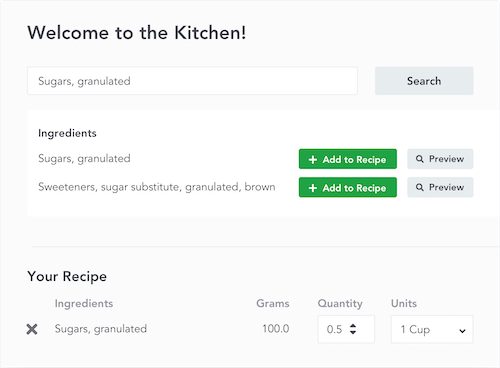
Need to update your product labels? ReciPal's nutrition label maker helps food businesses create compliant nutrition labels, manage product information, and keep labeling consistent as regulations evolve.
Frequently Asked Questions
Is date labeling now required on every food product?
No. California's law standardizes the wording used when date labels are present, but it does not require every product to include a date label.
Does "Best if Used By" mean food is expired?
No. It indicates when the manufacturer expects the product to be at its best quality. Many foods remain safe after this date when properly stored.
Is "Use By" the same as an expiration date?
For many highly perishable foods, "Use By" is the date with the greatest food safety significance. Consumers should pay much closer attention to these dates than to quality dates.
Will other states adopt similar rules?
New York has proposed similar legislation, and other states are expected to consider comparable approaches as efforts to reduce food waste continue.